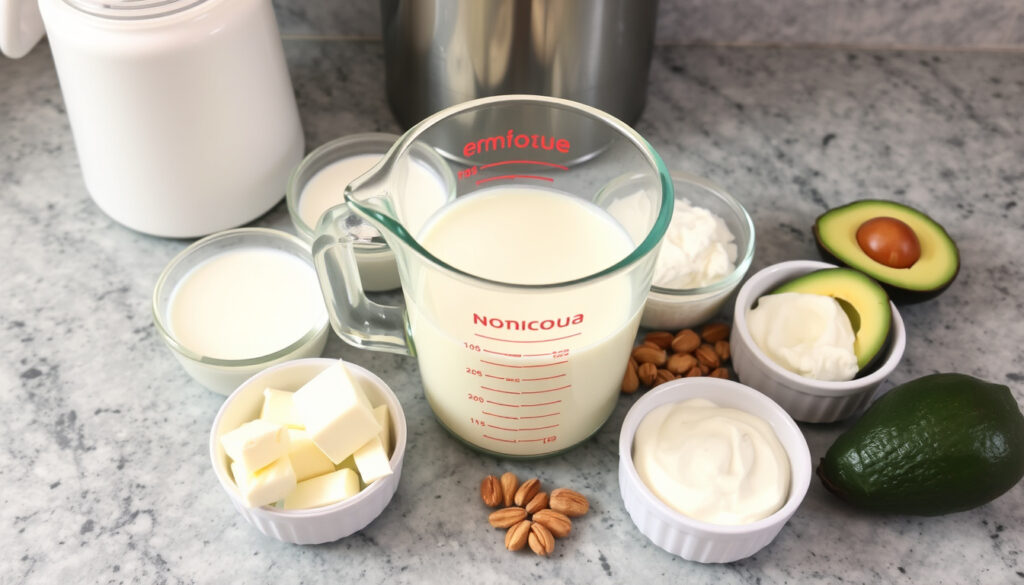
Substitute for Heavy Cream: 8 Smart Kitchen Swaps That Work
You’re halfway through a recipe and the carton of heavy cream in the fridge is empty — but that creamy sauce, whipped topping, or rich soup doesn’t have to be ruined. With pantry staples and know-how, you can swap in a substitute for heavy cream that works just as well, whether baking, cooking, or seeking a dairy-free option.
Substitutes covered: 8 · Most versatile substitute: Whole milk + melted butter (1:1 ratio) · Fat content of heavy cream: 36–40% milkfat · Average cooking adjustment: Reduce liquid by 2 tablespoons per cup of substitute
Quick snapshot
- Whole milk plus melted butter replicates heavy cream’s fat content (Healthline – nutrition review site)
- Coconut cream can be whipped to stiff peaks after chilling (Misen – culinary equipment company)
- Whether coconut cream works equally in all recipes (Clean Eating Kitchen – wellness blog)
- Effect of substitutes on baking rising and structure (Tyberry Much – vegan recipe site)
- No major timeline developments – the classic butter‑milk method remains the go‑to (based on culinary tradition)
- Plant-based whipping blends (e.g., Silk’s faba‑bean based cream) are growing in availability (Silk Official – manufacturer site)
Five key nutrients, one pattern: heavy cream’s high fat content is what gives sauces body and baked goods tenderness. Every substitute changes that balance in a specific way.
| Ingredient | Milkfat content | Best use |
|---|---|---|
| Heavy cream | 36–40% | Whipping, sauces, baking |
| Whole milk | 3–4% | Thin sauces, cereal |
| Butter | 80% | Added to milk for richness |
| Half-and-half | 10–18% | Light sauces, coffee |
| Coconut cream | ~20% | Vegan curries, desserts |
What can I use if I don’t have heavy cream?
Quick substitutes at a glance
- Whole milk + butter (most common DIY option – Healthline)
- Half-and-half + extra butter
- Evaporated milk (thinner but works)
- Coconut cream (vegan 1:1 – Misen)
- Soy milk + olive oil (for cooking – Healthline)
- Silk Dairy-Free Heavy Whipping Cream (store-bought 1:1 – Silk Official)
When to use each type of substitute
Heavy cream is 36–40% milkfat, which gives it the ability to thicken, whip, and add richness without separating. Substitutes with lower fat (like milk alone) will make sauces thinner and baked goods less tender. The trick is matching the fat percentage by adding butter or oil. For vegan needs, coconut cream comes closest in texture, while soy‑oil blends work for stir‑fries and soups but won’t whip (Clean Eating Kitchen).
The implication: choosing the right substitute starts with knowing your recipe’s fat requirements and whether you need whipping ability.
Can I use regular milk as a substitute for heavy cream?
Why milk alone doesn’t work
Whole milk contains only 3–4% milkfat (USDA FoodData Central – federal nutrition database), compared to heavy cream’s 36–40%. Used straight, milk will produce a watery sauce and flat baked goods. That’s why every reliable substitute adds a fat booster.
How to thicken milk for heavy cream replacement
The standard method: melt ¼ cup unsalted butter, then whisk it into ¾ cup whole milk. This raises the fat content to roughly 24–30%, close enough to heavy cream for most sauces and many baked desserts. For a thicker consistency without butter, you can use cornstarch (see the DIY methods below) or gelatin (Misen).
Best milk alternatives: whole, 2%, or skim
Whole milk produces the richest result because it starts with the most fat. 2% and skim will need even more butter or oil. If you’re watching fat, half-and-half (10–18% milkfat) is a better base than skim milk when you add a little butter (Healthline).
What is a 1:1 substitute for heavy cream?
Butter and milk 1:1 ratio
The most popular 1:1 swap is ¾ cup whole milk + ¼ cup melted butter. It works cup for cup in most recipes that call for heavy cream. Some cooks report a slightly richer taste, which is usually a plus (Healthline).
Using half-and-half with extra butter
To turn half-and-half into a 1:1 cream substitute, add 2 tablespoons of melted butter per cup. This brings the fat content close to heavy cream’s range while keeping the texture smooth (Clean Eating Kitchen).
Coconut cream as 1:1 substitute
Refrigerate a can of full‑fat coconut milk overnight, then scoop off the thick white layer. That coconut cream can replace heavy cream measure for measure in both sweet and savory dishes. It adds a mild coconut flavor, so it’s best in recipes where that complements the other ingredients (Misen).
Coconut cream gives you the closest texture to heavy cream without dairy, but its flavor can clash with delicate sauces. For a neutral vegan option, blend silken tofu with plant milk – but you lose the ability to whip.
The pattern: each 1:1 substitute trades off flavor or whipping ability; choose based on what your recipe demands.
How do I make heavy cream if I don’t have any?
Milk and cornstarch method
Whisk 2 tablespoons of cornstarch into 1 cup of milk. Heat over medium, stirring constantly, until it thickens to the consistency of heavy cream. Cool before using. This works well in soups and cooked sauces, but not for whipping (Misen).
Milk and gelatin method
Sprinkle 1 teaspoon of unflavored gelatin over 2 tablespoons of cold water; let bloom 5 minutes. Warm 1 cup of milk, stir in the gelatin until dissolved, then chill until it reaches a cream‑like thickness. This method mimics the body of heavy cream for puddings and fillings (Healthline).
Using evaporated milk
Evaporated milk is a direct pour‑and‑use substitute – no extra steps. It’s about 6–8% fat and more concentrated than regular milk, so it produces moderately creamy results. For a richer version, mix 1 cup evaporated milk with 1 tablespoon melted butter (Clean Eating Kitchen).
What can I substitute for heavy cream in a sauce?
Best substitutes for creamy sauces
- Cream cheese or sour cream: ½ cup cream cheese (whipped) or sour cream thinned with a splash of milk works beautifully in savory sauces – but avoid high heat that might cause curdling (Healthline).
- Coconut milk: Full‑fat coconut milk from a can is stable at high heat and adds richness to curries and creamy pasta sauces (Tyberry Much).
- Soy milk + olive oil: ⅔ cup soy milk with ⅓ cup olive oil creates a non‑dairy heavy cream alternative that won’t curdle when heated, making it ideal for alfredo‑style sauces (Healthline).
Avoid substitutes that curdle
Dairy‑based substitutes are vulnerable to acids (lemon juice, wine, tomatoes). To prevent curdling, add the substitute at the very end off the heat, or use a stabilizer like cornstarch. Non‑dairy options like coconut milk and soy‑oil blends are naturally more stable (Clean Eating Kitchen).
Tips for soups and pasta sauces
For cream‑based soups, the butter‑milk blend or evaporated milk are the safest bets. For tomato‑based sauces, reach for coconut cream or a soy‑oil combination. Always simmer gently – boiling can break the emulsion.
The catch: heat stability is the deciding factor for sauces; dairy substitutes need careful handling near acids.
Four common substitutes, one clear pattern: fat content determines success, but flavor and heat tolerance matter just as much.
| Substitute | Fat content | Best for | Can whip? |
|---|---|---|---|
| Whole milk + butter | ~24–30% | Sauces, baking, soups | No |
| Coconut cream | ~20% | Vegan desserts, curries, whipping | Yes (chilled) |
| Soy milk + olive oil | ~18–22% | Savory sauces, stir‑fries | No |
| Silk Dairy-Free Whipping Cream | ~20% (approx) | Whipped toppings, baking | Yes |
Upsides of using substitutes
- Most substitutes use pantry ingredients – no special shopping trip
- Dairy‑free options open up recipes for vegan and lactose‑intolerant cooks
- You can fine‑tune the fat content to match your dietary needs
Downsides to watch for
- No substitute whips exactly like heavy cream (except coconut cream)
- Flavor changes – coconut, olive oil, or dairy‑free margarine alter taste
- Low‑fat substitutes may cause baked goods to be less tender
Step‑by‑step guide: make your own heavy cream substitute
- Choose your base: Decide if you need dairy or non‑dairy. For most recipes, start with whole milk.
- Add fat: For 1 cup of substitute, melt ¼ cup unsalted butter and whisk into ¾ cup milk (or plant milk + oil).
- Adjust liquid: Reduce other liquids in the recipe by 2 tablespoons per cup of substitute to keep the consistency right (Misen).
- Thicken if needed: For sauces, mix in 1–2 teaspoons cornstarch per cup before heating.
- Cool before using in baking: Let the substitute come to room temperature so it incorporates evenly.
This sequence ensures you match heavy cream’s fat and consistency without guesswork.
Confirmed facts vs. what’s unclear
Confirmed facts
- Milk + butter works as a substitute for heavy cream in most cooking and baking (Healthline)
- Coconut cream can be whipped to stiff peaks after chilling (Misen)
What’s unclear
- Whether coconut cream works equally in all recipes – its flavor can dominate (Clean Eating Kitchen)
- Effect of substitutes on baking rising and structure – results vary by recipe (Tyberry Much)
“Coconut cream is the most versatile dairy-free substitute for heavy cream, matching functionality in cooking, baking, and whipping when prepared by refrigerating full-fat coconut milk and scooping the thick layer.”
— Misen (culinary equipment company)
“The soy milk and olive oil method closely mimics heavy cream’s fat content and richness, but does not whip – it’s best for adding tenderness in cooking and baking.”
— Healthline (nutrition review site)
For home cooks who make the swap regularly, the choice comes down to what you’re making. Sauces and soups give you plenty of good options; baking and whipping demand more precision. The trade‑off is always between convenience and faithfulness to the original texture.
A poorly chosen substitute can ruin a recipe that took time and ingredients. But with the right match – butter and milk for most bakes, coconut cream for dairy‑free indulgence, soy‑oil for stable sauces – you can proceed with confidence instead of guessing.
Understanding the fat content differences between heavy cream vs whipping cream can help you choose the right substitute for your recipe.
Frequently asked questions
Can I use sour cream instead of heavy cream?
Yes – sour cream works well in savory sauces and baked goods. Thin it with a little milk for a closer consistency. It adds tang, so avoid it in delicate desserts.
Is cream cheese a good substitute for heavy cream?
Softened cream cheese can replace heavy cream in creamy sauces and dips. Use ½ cup cream cheese per cup of cream, and whisk until smooth. It’s high in fat and adds richness.
How does coconut milk compare to heavy cream?
Full‑fat coconut milk (the canned kind) is thicker than regular coconut milk but thinner than heavy cream. For a 1:1 swap, use the solid coconut cream layer after refrigeration. It adds a mild coconut flavor.
Can I use half‑and‑half without adjusting?
Half‑and‑half can replace heavy cream, but the result will be thinner and less rich. Add 2 tablespoons of melted butter per cup to boost the fat content to an effective level.
What is the best substitute for heavy cream in whipped cream?
Chilled coconut cream whips to stiff peaks, making it the top non‑dairy option. Silk’s Dairy‑Free Heavy Whipping Cream also whips well and has a neutral flavor.
Can I use whole milk in place of heavy cream for baking?
Whole milk alone will lead to denser, less tender baked goods. Always add butter (¼ cup per cup of milk) to bring the fat content up. For vegan baking, use coconut cream or soy‑oil blend.
The bottom line: with the right adjustement, every common dairy or non‑dairy ingredient can stand in for heavy cream.
More related posts
 The Rainmaker (TV Series) Episodes – Complete Season 1 Guide
 38 Inches in CM: Converter, Waist & Bust Size Chart
 How Much Protein in an Egg – Grams by Size, White and Yolk
 Black Tie Wedding Guest Dress – Complete Dress Code Guide
 Marginal Tax Rate Ontario: 2026 Brackets & Calculator
 Protect the Dolls Shirt: Meaning, Brand, Charity & Who Wore It
 Polish to English Translation – Best Tools 2025
 Toronto to Edmonton Flights – Best Prices, Times and Tips